Understanding how messages are crafted, framed, and repeated across media channels is essential to decoding contemporary electoral dynamics in France. From presidential contests to local elections, campaigns employ sophisticated communication strategies that influence what voters think about, how they feel, and ultimately how they behave at the ballot box. By unpacking these techniques, we can better understand the forces that steer public opinion and shape democratic outcomes.
1. Framing Issues to Match Everyday Concerns
One of the most powerful tools in modern campaigning is issue framing. Political actors in France rarely present raw policy details; instead, they translate complex topics—such as pension reform, immigration, climate policy, or European integration—into everyday language and emotional narratives. The way an issue is framed affects whether voters see it as an opportunity, a threat, a technical reform, or a moral imperative. Candidates often tailor their framing to specific groups: workers, students, retirees, entrepreneurs, or public servants. This helps voters quickly identify which messages resonate with their personal situation, making them more likely to engage, share, and act on those messages.
2. Crafting Clear Narratives and Political Storytelling
Successful campaigns in France rely on coherent narratives that link past, present, and future. A political narrative goes beyond slogans; it provides a storyline: where the country has been, what problems it faces now, and what path it should follow next. These narratives often center on a core promise—economic renewal, social justice, national sovereignty, ecological transition, or institutional reform. By repeating and refining this storyline, candidates help voters make sense of scattered news events and policy debates. A clear narrative also offers cognitive shortcuts: voters don’t need to recall every detail; they simply need to recognize whether a message fits the broader story they already accept.
3. Using Data-Driven Micro-Targeting and Digital Tools
Digital campaigning in France has evolved rapidly, with parties and movements relying on data analytics to segment the electorate. Voters are grouped according to demographics, interests, region, and online behavior, allowing campaigns to deliver tailored messages via email, social media, and targeted ads. Behind the scenes, professional teams and independent workers must also manage outreach, funding, and documentation efficiently, which increases demand for administrative tools such as an invoice pdf generator. The same attention to detail that helps campaigns track their operations is also applied to refining their messaging, as feedback loops show which arguments mobilize supporters and which fall flat.
4. Emotional Appeals and Fear, Hope, or Anger
Emotions are central to voter decision-making. In France, as elsewhere, political communication often taps into fear (of insecurity, economic decline, or loss of identity), hope (for a fairer society, better services, or ecological progress), or anger (against perceived elites, institutions, or foreign influences). Emotional cues can be embedded in images, music, and rhetorical styles. During televised debates, rallies, or social media campaigns, leaders modulate tone and body language to reinforce emotional impact. While rational arguments remain important, research consistently shows that emotional resonance often determines whether a voter pays attention to a message at all, and whether they remember it on election day.
5. Repetition and Message Discipline Across Channels
French campaigns that achieve strong results often display high message discipline: the same key phrases, themes, and arguments are repeated across speeches, television interviews, leaflets, and online content. This consistency builds recognition and credibility—voters quickly associate a candidate with specific priorities or solutions. Repetition also helps counter the short attention span that characterizes much online behavior. When a theme—such as purchasing power, public services, or security—is hammered home across weeks or months, it becomes part of the mental landscape voters use to interpret new events, like economic reports or international crises.
6. Adapting Messages to National and Local Contexts
Voter behavior in France is shaped by both national debates and local realities. Campaigns therefore refine their messaging to address territorial specificities: industrial regions concerned with factory closures, rural areas focused on transport and medical deserts, coastal communities engaged in tourism and environmental protection, or urban centers wrestling with housing and inequality. Leaflets, door-to-door scripts, and local media appearances weave national platforms into local stories. This dual-level strategy helps voters feel that national policies will translate into concrete changes in their own communes, departments, and regions, increasing both trust and turnout.
7. Media Ecosystems: TV, Radio, Press, and Social Networks
The French media environment is diverse and highly regulated, with rules on airtime during official campaign periods. Television debates and prime-time interviews still play a key role, particularly among older voters. Radio remains influential in shaping daily political conversation, while national and regional newspapers provide in-depth analysis and endorsements. At the same time, social networks have transformed the speed and style of communication, enabling viral clips, live-streamed rallies, and direct interactions between candidates and citizens. Each channel requires a tailored format, but all must reflect a coherent set of core messages for maximum persuasive effect.
8. Symbols, Slogans, and Visual Identity
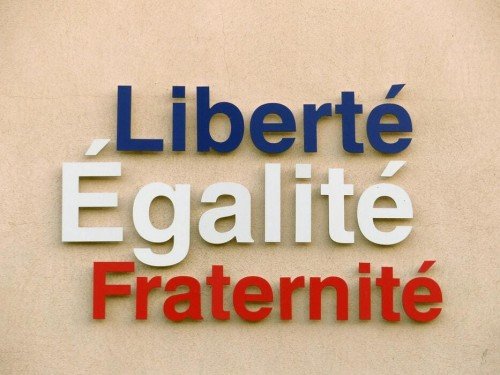
Visual elements—colors, logos, and symbols—carry ideological meaning in France. The tricolor flag, Marianne, or references to major historical figures can evoke republicanism, resistance, or national unity. Parties and movements invest heavily in graphic design, ensuring that posters, banners, and online visuals are instantly recognizable. Slogans condense complex agendas into a few memorable words, often focusing on action verbs and collective pronouns (“nous,” “ensemble,” “agir”). This visual and verbal shorthand shapes how voters emotionally categorize each candidate: as modern or traditional, radical or moderate, technocratic or popular.
9. Contrasts, Attacks, and Agenda Setting
Campaigns not only promote their own agenda but also attempt to define their opponents in negative terms. Contrast ads and sharp debate exchanges highlight differences on key issues, while attacks may focus on competence, consistency, or integrity. In France, these strategies are often calibrated to remain within cultural expectations of republican civility, yet they still influence which topics dominate headlines and social media feeds. When a candidate successfully frames the election as a choice between two starkly different paths, they can polarize the electorate in ways that clarify options for some voters but alienate others.
10. Mobilization vs. Persuasion: Two Strategic Goals
Not all political communication seeks to change minds; much of it aims to ensure that existing supporters actually vote. Campaigns in France carefully balance persuasion (reaching undecided or swing voters) with mobilization (encouraging core supporters to turn out). Messaging for persuasion tends to be more moderate and inclusive, emphasizing competence and broad benefits. Mobilization messaging, by contrast, may be more ideological and emotionally intense, designed to energize activists, volunteers, and loyal voters. Understanding this distinction helps explain why some messages seem more conciliatory while others appear polarizing or combative.
Conclusion: Reading Campaigns with a Critical Eye
Political communication in France is not random; it is the product of deliberate strategic choices aimed at guiding voter perceptions and behavior. From framing and emotional appeals to local adaptation, visual identity, and the use of digital tools, messages are engineered to shape how citizens interpret political reality and decide their vote. By learning to recognize these techniques, voters can approach campaigns more critically, evaluate proposals on their merits, and preserve their autonomy in the face of increasingly sophisticated persuasion. In an environment where information circulates instantly and narratives compete for attention, this critical literacy is essential to the health and resilience of democratic life.